









In CAD/CAM zirconia workflows, the difference between flawless restorations and cracked, distorted or discolored failures often comes down to one invisible step: pre-sintering drying.
Pre-sintered zirconia (3Y, 4Y and 5Y generations) is 45–50% porous and absorbs moisture from milling coolant or coloring liquids. During rapid heating in the sintering furnace, trapped water turns to steam and creates internal pressure that the “green” material cannot withstand.
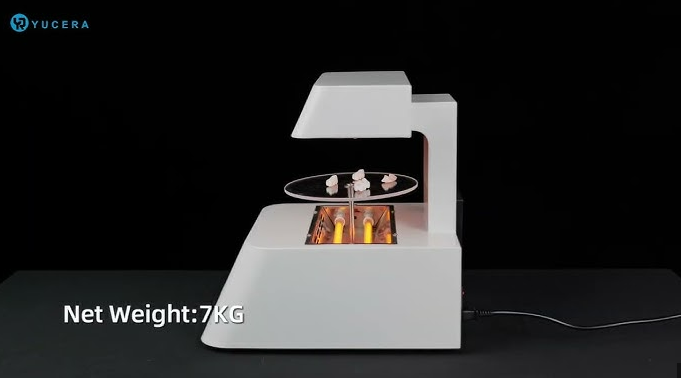
A dedicated low-temperature dryer (or furnace pre-hold) at precisely controlled temperatures removes >95% of moisture safely. Although final sintering cycles differ between 3Y (high-strength), 4Y (balanced) and 5Y (high-translucency) materials, the pre-drying protocol is almost universal — with only minor adjustments for translucency sensitivity.
This 2026 technician guide provides real-world, lab-validated temperature and time settings that eliminate the three most common drying-related defects across all three zirconia generations.
The Science Behind Drying Temperatures and Times
At room temperature, residual moisture sits in microscopic pores. As temperature rises above 100°C, water vapor pressure spikes dramatically. If the restoration enters the sintering furnace wet, steam pressure between 100–300°C exceeds the green-state strength, causing micro-cracks, warping or pigment migration.
Industry-standard guidelines (independent lab protocols and manufacturer-neutral recommendations) converge on:
- Safe drying window: 80–100°C (avoids premature pigment burn-off or cracking)
- Final verification hold: Optional 10–15 min at 150°C in the dryer or furnace pre-phase
These temperatures are low enough for all generations (3Y–5Y) yet high enough for complete solvent removal. The key variable is time, which depends on restoration thickness, coloring intensity and slight material sensitivity.
Universal Drying Protocol + Material-Specific Adjustments
Base protocol (works for 3Y, 4Y and 5Y):
- Post-coloring air dry: 10–20 min at room temperature
- Dryer phase: 80–100°C
- Optional final hold: 150°C for 10 min (removes bound moisture)
- Transfer directly to sintering furnace
| Zirconia Type | Restoration Type | Coloring Intensity | Dryer Temperature | Drying Time | Notes & Rationale |
|---|---|---|---|---|---|
| 3Y (High strength) | Single crowns / small bridges | Light–Medium | 90–100°C | 30–45 min | Higher temp tolerated; prioritizes speed |
| 3Y | 3–4 unit bridges / thick walls | Heavy | 90–100°C | 45–60 min | Ensures full moisture removal in load-bearing areas |
| 4Y (Balanced) | Single crowns / bridges | Medium | 85–95°C | 45–60 min | Balanced for strength and esthetics |
| 4Y | Long-span / full-arch | Heavy | 90°C | 60–75 min | Slightly gentler than 3Y to protect connectors |
| 5Y (High translucency) | Anterior / thin walls | Light | 80–85°C | 45–60 min | Lowest temp preserves cubic phase and translucency |
| 5Y | Bridges or heavy coloring | Medium–Heavy | 80–90°C | 60–90 min | Extended time prevents white spots in translucent zones |
Why Slight Adjustments for 3Y vs 4Y vs 5Y?
Although pre-sintered porosity is similar, the generations react differently to residual moisture:
- 3Y zirconia (mostly tetragonal, highest strength): Tolerates slightly higher drying temperatures (90–100°C) and shorter times. The denser microstructure after sintering is less sensitive to minor steam pressure.
- 4Y zirconia (balanced tetragonal + cubic): Uses the middle ground (85–95°C). Provides a safety buffer for connectors in multi-unit restorations.
- 5Y zirconia (high cubic content, maximum translucency): Most sensitive to defects. Lower temperature (80–85°C) and longer time prevent pigment wash-out and light-scattering voids that reduce translucency parameter (TP) by 10–20%.
In practice, labs using the table above report near-zero cracking or white-spot incidence across all generations when moisture removal reaches >95%.
Step-by-Step Implementation in Any Lab
- Preparation Wear nitrile gloves. Remove excess liquid with gentle air blast after dipping or brushing.
- Ambient phase 10–20 min on perforated tray.
- Dryer phase Load into dedicated dryer. Use the table above. Fan-assisted airflow ensures even drying.
- Verification Restorations must feel bone-dry and matte. Optional weight check: consistent 1–3% loss confirms success.
- Furnace integration Many modern sintering programs include a built-in 150°C/10–15 min pre-hold — use this as backup or replacement for dedicated dryer.
- Sintering Proceed with material-specific fast or conventional cycle. Proper pre-drying ensures uniform 20–25% shrinkage.
Troubleshooting Common Drying Issues
- White spots → Extend time by 15 min or add 150°C hold (especially 5Y cases).
- Cracks in connectors → Increase temperature to 90°C and verify complete dryness (common in 3Y bridges).
- Uneven shading / low translucency → Lower to 80°C and extend time (5Y priority).
- High lab humidity → Add 15–30 min or use dehumidifier.
Pro tips for busy labs:
- Overnight ambient dry + 45 min dryer in the morning
- Multi-layer coloring: dry 15–20 min between layers
- Clean dryer monthly to avoid residue transfer
Conclusion: One Protocol, Three Generations, Zero Defects
Zirconia drying temperature and time settings are not complicated — they are simply non-negotiable. The universal protocol (80–100°C base with material-specific micro-adjustments) works for 3Y, 4Y and 5Y alike because it addresses the shared root cause: moisture in porous pre-sintered structures.
By following the temperature/time table above, dental labs achieve:
- Zero steam-induced cracking
- Uniform pigment fixation
- Full preservation of translucency (especially critical for 5Y)
- Predictable 20–25% shrinkage and perfect fit
In 2026’s high-efficiency CAD/CAM environment, this 30–90 minute step delivers one of the highest returns on investment in the entire workflow. Master these settings once, document them for your team, and watch remakes drop while esthetic consistency soars — regardless of whether you’re processing 3Y posterior bridges or 5Y anterior crowns.